Therapist’s Guide to Lymphatic Massage
Self-care is increasingly prioritized among working people. Lymphatic work has become a high-demand massage modality because it reduces puffiness, fluid retention, and post-travel swelling while giving clients a deep sense of lightness and systemic relief.
Hands-on Onsite Training
Cornelius, NC (Lake Norman)
16 – 21 NC CE Hours
Massage therapists are increasingly interested because the work is gentle, effective, and pairs exceptionally well with multiple treatment styles. However, confusion persists: some practitioners mistake it for deep pressure work or trendy detox fads, while others feel hesitant about clinical contraindications and session integration.
To appreciate why lymphatic massage is so impactful, you need to understand the biological system it supports. Unlike the cardiovascular system, which relies on the heart to circulate blood, the lymphatic network lacks a central pump. Instead, lymph interstitial fluid that carries metabolic waste, immune cells, and excess fluid moves slowly through microscopic vessels and filter nodes, propelled only by respiration, skeletal muscle contraction, arterial pulsation, and gravity.
Why Pressure Depth Dictates Results
When fluid movement slows, clients experience localized heaviness, swelling, and tenderness. Initial lymphatic capillaries lie directly beneath the epidermis. They respond to light, rhythmic stretching of the skin rather than deep compression. Excessive downward pressure temporarily collapses delicate lymphatic vessels, blocking flow. True lymphatic work emphasizes intentional gentleness, calms the sympathetic nervous system, and encourages fluid pathways to clear naturally.
So What Is Lymphatic Drainage Massage?
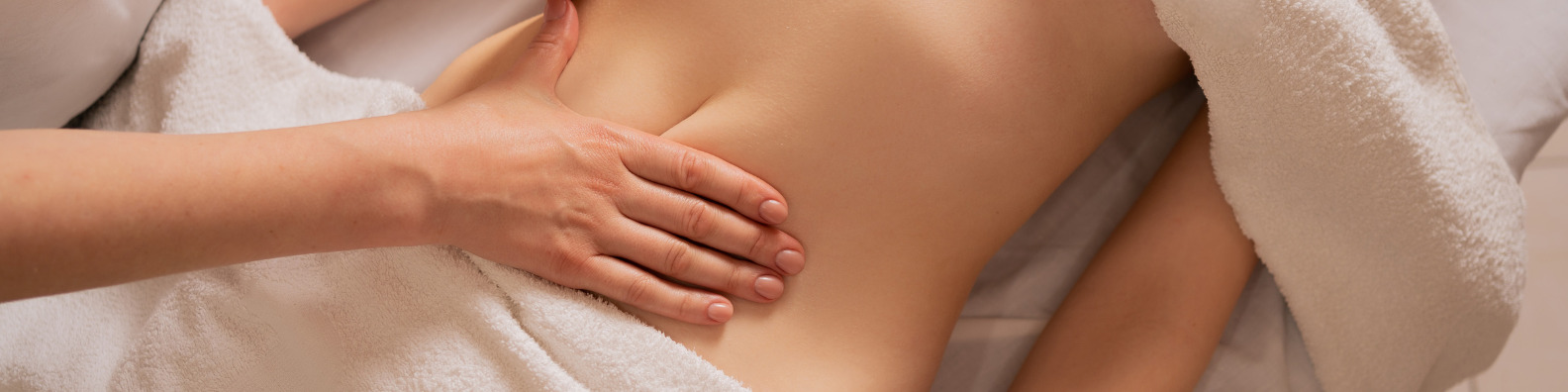
At its core, lymphatic drainage massage is a specialized manual technique designed to encourage the natural flow of lymph. It uses slow, intentional, circular strokes with calibrated light pressure to guide stagnant fluid toward functional regional lymph node basins. The goal is never to force fluid mechanically, but to create optimal physiological conditions for the body’s internal filtration network to function efficiently.
Clients frequently find this work deeply restorative and hypnotic as it guides the autonomic nervous system into a parasympathetic state. For bodyworkers, it offers a sustainable alternative to force-based techniques, yielding observable reductions in tissue congestion without overtaxing the therapist’s thumbs, hands, or wrists.
In clinical settings, therapists use manual lymphatic drainage to manage secondary lymphedema, particularly after surgical oncology interventions. In wellness and private practice environments, clients seek it for generalized fluid retention, post-operative support within scope, sluggish digestive motility, chronic non-acute edema, sinus congestion, or as an effective modality when deep tissue therapy is contraindicated.
Not All Lymphatic Work Is the Same
General online resources often blur the distinctions between lymphatic modalities. In professional practice, lymphatic bodywork divides into three distinct methodologies, each tailored for specific clinical objectives and client needs:
Basic Lymphatic Massage
The natural entry point for licensed practitioners. It focuses on lymphatic anatomy, palpating superficial tissue structures, and delivering rhythmic strokes that support systemic fluid balance. Ideal for integrating gentle lymphatic components into existing spa or relaxation sessions.
Manual Lymphatic Drainage (MLD)
A systematic clinical method emphasizing structural assessment and precise sequence protocols for localized swelling. Teaches therapists how to evaluate client suitability, navigate strict contraindications, and coordinate with healthcare providers.
Deep Lymph Flushing
Designed for active clients and athletes seeking systemic decongestion paired with dynamic movement. Blends broad, rhythmic strokes with sports massage concepts to enhance recovery without crushing delicate vessels.
Which Lymphatic Massage Class Is Right for You?
The right continuing education course depends on your experience, clinical goals, and the client populations you treat. NC Massage School offers small-group, hands-on workshops at our Cornelius, North Carolina campus.
Compare the syllabus, instructor background, and prerequisite requirements for each upcoming session below:
1. Basic Lymphatic Massage
21 CE Hours • 3 Days
Instructor: Ellen Gayle Sovinee
This introductory workshop examines superficial and deeper lymphatic pathways, proper touch pressure, and rhythm. The curriculum features instructor demonstrations followed by guided student table exchanges.
- Learning Objectives: Master lymphatic anatomy, practice rhythmic skin stretch, and integrate foundational strokes into regular bodywork sessions.
- Experience Level: Foundational. Verify eligibility for active massage licensure before enrollment.
- Upcoming Dates: April 2–4, 2027 (Check current listing for cohort status).
- Credential Issued: Certificate of Completion validating 21 NC Board-eligible CE hours.
2. Manual Lymphatic Drainage Massage (MLD)
16 CE Hours • 2 Days
Instructor: Mary Gladden
Teaches technical methods for directing fluid through superficial vascular channels. Focuses on assessing candidate suitability, identifying physiological contraindications, and advising clients on post-session self-care.
- Learning Objectives: Refine MLD manual sequences, evaluate fluid stagnation, and learn medical referral protocols.
- Experience Level: Intermediate. Confirm recommended prerequisites directly with the school.
- Upcoming Dates: November 20–21, 2026 (Check registration portal for waitlist availability).
- Credential Issued: Certificate of Completion for 16 CE hours (Does not replace medical CLT lymphedema certification).
3. Deep Lymph Flushing for Chronic Pain & Inflammation
16 CE Hours • 2 Days
Instructor: Theresa Wilkes
Explores traditional lymph drainage theory in combination with deeper flushing techniques influenced by sports massage. Emphasizes tissue safety and respect for vascular fragility while delivering a more robust client experience.
- Learning Objectives: Safely integrate deeper flushing strokes into existing treatment sequences without damaging superficial vessels.
- Experience Level: Intermediate. Working understanding of myofascial anatomy recommended.
- Upcoming Dates: May 15–16, 2027.
- Credential Issued: Certificate of Completion for 16 CE hours.
4. Manual Lymphatic Drainage: Post-Op Focus
16 CE Hours • 2 Days
Instructor: Mary Gladden
Covers post-surgical tissue fragility, appropriate healing timelines, and safe pressure adjustments after aesthetic procedures. Examines how and when to incorporate gentle cupping within ethical massage therapy scope.
- Learning Objectives: Understand postoperative tissue biology, identify warning signs of complications, and coordinate with referring medical teams.
- Experience Level: Advanced. Foundational MLD background strongly advised.
- Upcoming Dates: February 27–28, 2027.
- Credential Issued: Certificate of Completion for 16 CE hours.
CE Certificates vs. Specialist Qualifications
A continuing education certificate documents verified attendance and classroom completion of that specific workshop. It does not confer an all-encompassing clinical certification in medical lymphedema management (such as CLT) or complex postoperative physical rehabilitation.
North Carolina state licensure laws, professional competencies, and individual client pathology define a practitioner’s legal scope. Always consult the North Carolina Board of Massage & Bodywork Therapy CE requirements for official license renewal guidelines.
For our full course schedule across all specialties, explore the NC Massage School Continuing Education Course Catalog.
When Lymphatic Work Isn’t the Right Choice
Despite its gentle nature, lymphatic massage demands rigorous screening. Therapists must be prepared to identify vital red flags: unexplained acute swelling, active localized infection, fever, deep vein thrombosis (DVT) risk, congestive heart failure, or severe renal dysfunction where moving fluid volume into circulation poses dangerous risks.
High-quality hands-on CE training ensures you know not only how to apply strokes, but when to decline treatment, request physician clearance, and protect client safety.
Who Benefits Most From Lymphatic Sessions?
Clients do not need a medical diagnosis to experience the benefits of lymphatic drainage. Many feel revitalized as excess interstitial fluid clears.
People who stand or sit for long periods, frequent air travelers, or those experiencing cyclical fluid puffiness often report immediate relief. Because the strokes are extremely gentle, they offer a safe, calming alternative for clients who are overstimulated, recovering from intense athletics, or unable to tolerate deeper structural pressure.
Why In-Person Training Makes the Difference
Subtle skin-stretching cannot be mastered through pre-recorded online videos. It requires fine-tuning your palpation pressure under an instructor who can correct your touch in real time. Our in-person workshops ensure you leave with techniques you can safely implement the very next week, backed by a thorough grounding in anatomy and client screening.
Ready to Add Lymphatic Therapy to Your Practice?
Broaden your clinical skillset and provide gentle, deeply effective bodywork that protects your joints while delivering visible client outcomes. Have questions about course selection? Call our campus at (704) 896-2636.