Therapist’s Guide to Lymphatic Massage
Self-care is becoming increasingly prioritized among the working class. Lymphatic work has become a popular massage add-on because it reduces puffiness, fluid retention, and post-travel swelling. Clients request it for a sense of lightness. Massage therapists are interested because it’s gentle, effective, and pairs well with many styles. Some confuse it with deep pressure or trendy detox, while others feel unsure about safety and integration into sessions.
To appreciate why lymphatic massage is important, you need to know about the system it supports. Unlike the bloodstream, which relies on the heart to circulate blood, the lymphatic system lacks a dedicated pump. Instead, lymph, the fluid that transports waste, immune cells, and excess fluid, moves gradually through vessels and nodes, aided by breathing, muscle movements, and gravity.
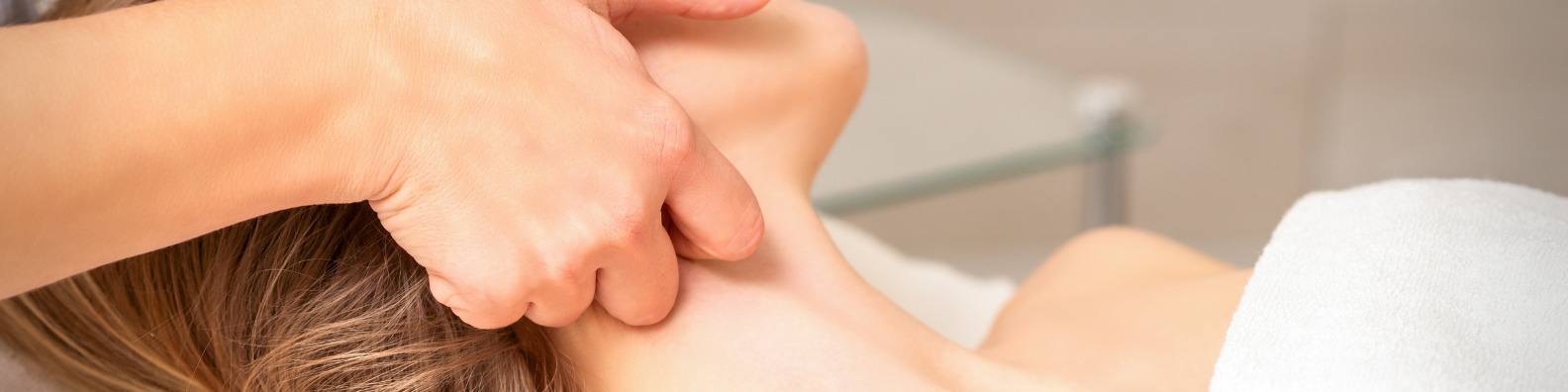
When this movement slows, people may experience swelling, heaviness, or tenderness in certain areas. Lymphatic structures are close to the skin surface and respond better to light, rhythmic touch than deep pressure. Excessive pressure can temporarily collapse lymphatic vessels, so true lymphatic work emphasizes gentleness.
This is why lymphatic massage feels so soothing… It gently calms your nervous system and helps your body move fluid more smoothly and efficiently.
So What Is Lymphatic Drainage Massage?
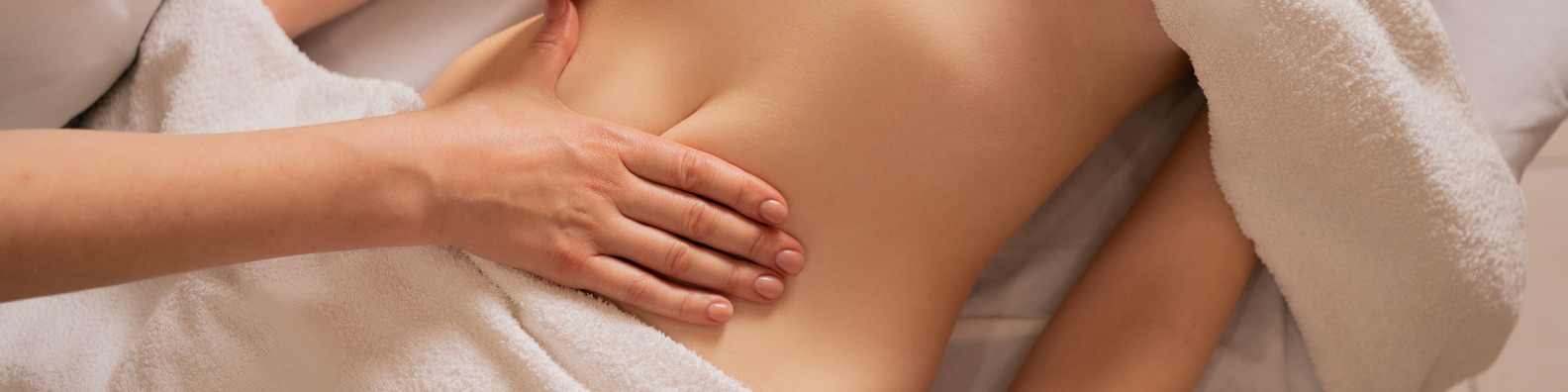
At its core, lymphatic drainage massage is a technique designed to encourage the natural flow of lymph. It uses slow, intentional strokes, often with extremely light pressure, to guide fluid toward lymph nodes and areas of higher lymphatic activity. The goal is not to “force” lymph to move but to create ideal conditions for the system to do what it already wants to do.
Clients find the work deeply relaxing and almost hypnotic, as it calms the body into a parasympathetic state. Therapists see it as a refreshing change from force-based methods, enabling noticeable results without straining their hands or wrists.
In medical settings, manual lymphatic drainage is employed to manage lymphedema, particularly following oncological treatments. In wellness environments, individuals pursue this therapy for issues such as fluid retention, post-surgical support (within professional scope), digestive sluggishness, chronic edema, sinus congestion, or as a gentler alternative when deep tissue therapy is perceived as excessive.
Not All Lymphatic Work Is the Same
The internet tends to lump everything together when, in reality, lymphatic work comes in several flavors, each with its own vibe, purpose, and skill set.
Here’s a quick guide to the three main approaches therapists can learn:
- Basic Lymphatic Massage – This is where most therapists begin. You learn what the lymphatic system does, how to detect subtle structures beneath the skin, and how to use gentle, rhythmic techniques that support healthy fluid flow. Our Basic Lymphatic Massage class gives you the confidence to start incorporating lymphatic elements into your sessions right away, even if you’ve never touched the modality before.
- Manual Lymphatic Drainage (MLD) – MLD goes deeper into assessment and technique, especially for clients dealing with swelling patterns or more complex fluid issues. It’s often associated with medical settings, but wellness practitioners benefit significantly from it as well. Our Manual Lymphatic Drainage Massage training helps therapists refine their pressure, follow structured protocols, and know when this specialized work is appropriate or when a client needs referral or shared care.
- Deep Lymph Flushing – Some clients crave lymphatic benefits but want a slightly more active experience than traditional MLD. Deep lymphatic flushing keeps the lymphatic pathways in mind while introducing rhythmic, flowing movements that feel robust yet respectful of the system’s delicacy. In our Deep Lymph Flushing Massage class, you’ll learn how to deliver this style safely without overwhelming sensitive tissues.
When Lymphatic Work Isn’t the Right Choice
Even though lymphatic techniques are gentle, they still require careful screening. Therapists must recognize red flags, such as unexplained swelling, infection, risk of blood clot, fever, or certain heart or kidney conditions.
High-quality CE training teaches you not only what techniques to use, but also when not to use them and how to communicate clearly with clients about boundaries and safety.
Without training, therapists often rely on online myths or generic videos, which can miss key contraindications entirely.
Who Benefits Most From Lymphatic Sessions?
You don’t have to be dealing with a medical condition to benefit from lymphatic work. Many clients simply feel better when excess fluid moves more freely.
People who stand or sit all day, travel frequently, or notice puffiness around the abdomen or limbs often find lymphatic drainage surprisingly helpful. Because the work is so gentle, it’s also ideal for clients who are stressed, anxious, overstimulated, or recovering from high-intensity exercise.
Perhaps most importantly, lymphatic massage supports the whole person, not just a single complaint. It promotes lightness, calm, and improved fluid balance simultaneously.
Why Our School Is Different
Lymphatic work is delicate. Proper learning can’t be achieved through videos or guesswork alone; it requires hands-on practice, a clear understanding of anatomy, and immediate feedback from instructors who know first-hand the gentle touch and the accuracy required.
Each class is designed to help therapists walk away with techniques they can use immediately, along with a better understanding of the anatomy, physiology, and safety considerations behind the work.

Ready to Learn Lymphatic Work?
Incorporating lymphatic therapy into your practice not only broadens your skills but also allows you to provide more comprehensive support to your clients. If clients are already inquiring about lymphatic drainage, or if you’re seeking a gentle, effective technique that protects your hands while delivering real results, our continuing education courses can help you build the confidence and expertise you need.
Unsure which lymphatic class suits you best? We’re happy to assist you in making the right choice. Feel free to contact us anytime at (704) 896-2636.
You can view upcoming dates and register here:
https://ncmassageschool.arlo.co/w/upcoming/