How to Choose the Best Massage School Near Charlotte, NC
Choosing a massage therapy school is about more than finding the closest campus or the lowest advertised tuition. The program you select can affect your education, schedule, clinical experience, licensing preparation, and confidence when you enter the profession.
The best massage school for you should be properly approved, provide substantial hands-on instruction, and offer a schedule and financial commitment that realistically fit your life.
NC Massage School is located in Cornelius, North Carolina, near Charlotte and Lake Norman. Our 700-hour diploma program combines massage techniques, anatomy and physiology, neuromuscular therapy, professional development, and supervised clinical experience.
Before selecting any massage therapy school near Charlotte, use the following criteria to compare your options carefully. A reputable school should be willing to answer these questions clearly before asking you to enroll or make a financial commitment.
Massage School Comparison Checklist
When researching massage therapy programs, compare:
1. Confirm That the Massage School Is State Approved
The first question to ask is whether the school is approved by the appropriate state regulatory authority.
NC Massage School is listed as an approved school by the North Carolina Board of Massage and Bodywork Therapy. The Board’s approved-school list identifies the school as North Carolina Massage School in Cornelius.
Graduating from a Board-approved program is an important part of the North Carolina licensing pathway. However, graduating does not automatically make someone a licensed massage and bodywork therapist. Graduates must also satisfy the examination, application, background check, and other requirements established by the Board. Prospective students can confirm a school’s current status through the North Carolina Board’s official list of approved massage schools.
When speaking with another school, ask:
- Which state agency approves the program?
- Is the approval current?
- Will the education qualify me to apply for licensure in North Carolina?
- Where can I independently verify the school’s status?
- Is the school “approved,” “accredited,” or both?
Approval and accreditation are not interchangeable terms. A school should describe its status accurately and provide independent verification.
2. Compare Total Program Hours and Curriculum
North Carolina establishes minimum education requirements for massage and bodywork therapy licensure. However, schools can offer programs that go beyond the minimum.
NC Massage School offers a 700-hour massage therapy diploma program. The curriculum currently includes:
Do not compare programs based only on the total number of hours. Ask how those hours are divided among science, massage techniques, supervised practice, ethics, business education, and clinical experience.
Review the complete 700-hour curriculum and class schedule →
3. Look for Meaningful Hands-On Training
Massage therapy is a hands-on profession. Reading, lectures, and online coursework cannot replace supervised practice, instructor feedback, and experience working with different body types and client needs.
When comparing schools, ask:
- When does hands-on instruction begin?
- How frequently do students practice?
- Who supervises hands-on instruction?
- How is technique evaluated?
- How many students work with each instructor?
- Will students practice client intake, sanitation, and professional communication?
- Does the program include a supervised public clinic?
- How are students prepared to work with real clients?
At NC Massage School, hands-on education is incorporated throughout the program. Students practice massage techniques, body mechanics, client communication, and professional boundaries before applying those skills during their supervised clinical internship.
4. Understand the Clinical Internship
Clinical experience helps students transition from practicing with classmates to working with members of the public in a professional setting.
NC Massage School’s program includes a 100-hour supervised clinical internship. During clinical training, students can develop experience with:
Students complete clinical work under the supervision of licensed instructors. They are not working as independently licensed massage therapists during the internship.
When comparing schools, ask whether clinical hours are included in the advertised program length and whether students must find their own clients.
5. Compare Full-Time and Part-Time Schedules
A program can have an excellent curriculum but still be the wrong choice if the schedule is not sustainable. NC Massage School currently offers weekday daytime options:
Full-Time Massage Therapy Program
- Monday through Thursday
- 8:00 a.m. to 3:00 p.m.
- Approximately six months to complete
Part-Time Massage Therapy Program
First semester:
- Monday and Tuesday (8:00 a.m. to 3:00 p.m.)
Second semester:
- Wednesday and Thursday (8:00 a.m. to 3:00 p.m.)
Approximately twelve months to complete.
The diploma program is taught in person. Prospective students who need evening, weekend, or online diploma classes should confirm availability directly with every school they are considering.
Also ask:
- Are clinical hours completed during regular class hours?
- What happens if I miss class?
- How are makeup hours scheduled?
- Can I change from full-time to part-time?
- How much independent study is expected?
- What is the maximum time allowed to complete the program?
6. Review Instructor Qualifications and Class Size
Instructor experience affects the quality of classroom explanations, hands-on demonstrations, clinical supervision, and professional mentorship.
Review whether faculty members identify their professional roles, licenses, specialized training, and clinical background. Small classes can provide more opportunities for questions, technique correction, and personalized feedback. Ask for the current maximum class size and the student-to-instructor ratio during hands-on instruction.
Prospective students can meet the NC Massage School instructors and leadership team →
7. Ask How the School Prepares Students for the MBLEx
The Massage & Bodywork Licensing Examination, commonly called the MBLEx, is an entry-level licensing examination used by many state regulatory boards. Passing the MBLEx does not itself grant a license. Graduates must apply through the state regulatory board and satisfy all applicable requirements.
When comparing programs, ask:
- Is MBLEx preparation included?
- Are practice questions or review sessions provided?
- Which curriculum areas correspond with the exam outline?
- Does the school help verify education with FSMTB?
- Can the school provide a current, documented performance report?
- Are any published pass-rate claims independently verifiable?
NC Massage School includes an MBLEx-readiness component in its 700-hour curriculum. Prospective students should ask admissions for current information about exam preparation and any available performance data.
Do not rely on an undated pass-rate claim when comparing schools.
8. Compare Tuition and Total Education Costs
The school with the lowest advertised tuition is not necessarily the least expensive option. Ask each school for a written breakdown showing application fees, tuition, deposits, books, technology fees, required equipment, linens, financing charges, exam fees, and state licensing costs.
NC Massage School’s currently published tuition for the 700-hour program is $9,590.
NC Massage School does not currently participate in federal FAFSA-based financial-aid programs. Other options may include pay-in-full savings, approved in-house payment plans, third-party financing, and eligible veterans education benefits.
9. Visit the Campus Before Enrolling
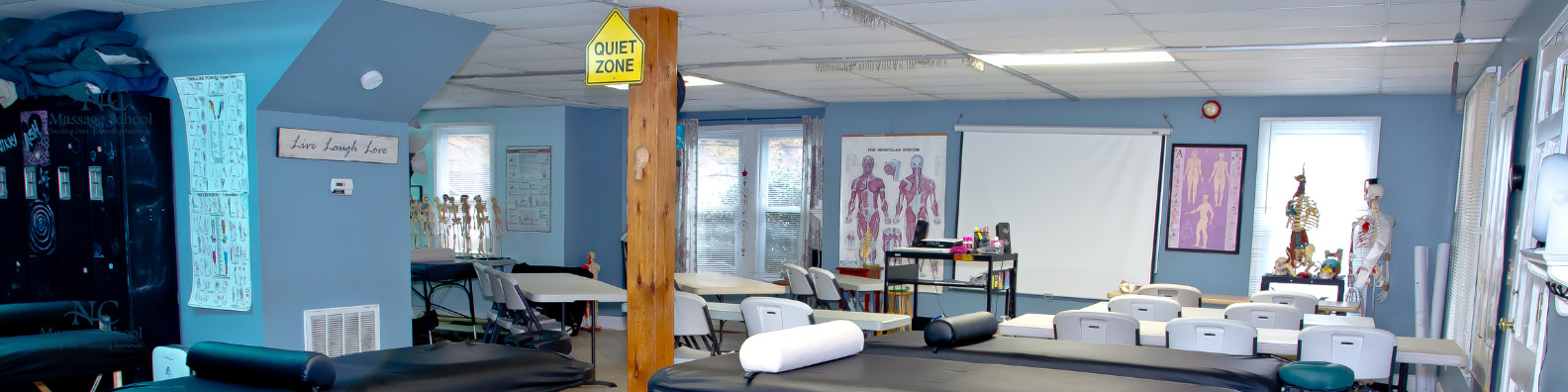
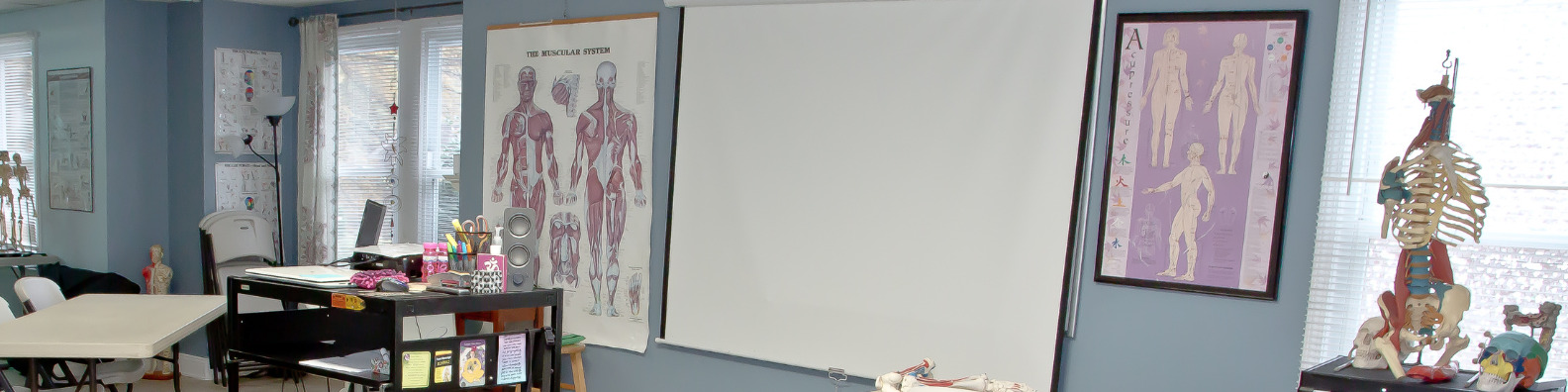
A website can help you narrow your choices, but an in-person visit can reveal details that are difficult to evaluate online. Look for clean classrooms, appropriate training space, professional clinic facilities, massage tables, sanitation procedures, and a respectful learning environment.
NC Massage School Campus Location:
20525 North Main Street, Cornelius, NC 28031
The campus serves students from Cornelius, Charlotte, Huntersville, Davidson, Mooresville, and the greater Lake Norman area.
10. Read Detailed Student and Graduate Experiences
Reviews can be helpful, but look beyond star ratings. The most valuable testimonials explain why the student selected the school, what the curriculum was like, whether instructors were accessible, how clinicals built confidence, and what type of work the graduate pursued.
Be cautious with testimonials that provide only vague praise or make guarantees about income, employment, or exam passage.
Questions to Ask Every Massage School
Bring this checklist to every admissions call or campus visit:
How NC Massage School Compares
NC Massage School offers:
The right program depends on your schedule, educational goals, budget, and preferred learning environment. We encourage prospective students to compare multiple schools, independently verify approval, visit campuses, and review written program information before enrolling.
Frequently Asked Questions About Massage Schools Near Charlotte
Compare the Program and Decide with Confidence
Choosing a massage therapy school is a significant educational and financial decision. Review the curriculum, understand the schedule, compare total costs, and visit the campus before committing.
NC Massage School’s program information:
Ready to Learn More?
Ask a question, schedule a campus visit, or begin the application process for our upcoming massage therapy program!